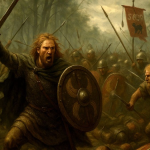
Imagine standing on a hill, heart hammering, and seeing 60,000 warriors spread out below their spears glinting in the sun. This was Alesia in 52 B.C.E., where Caesar faced Vercingetorix and all of Gaul seemingly united against him. The Romans were trapped between the hilltop defenders and a relief army, but somehow, they built walls, dug moats, and turned the impossible into a victory that still shocks people today.
The battle itself was chaotic and unpredictable. The Gauls hurled themselves from the hill, breaking ranks, shouting, trying anything to crack the siege. Meanwhile, Roman soldiers labored under the hot sun, digging, fortifying, setting spikes. You can almost smell the sweat and the dust, feel the tension as both sides hesitated and attacked, hoping the other would falter first. It was not just brute force, it was improvisation, nerve, and moments that could have gone completely wrong.
The Battle of Alesia (52 B.C.E.)
Fans of history often latch onto those tiny details. One comment online read, “How did 6,000 Romans hold off thousands of Gauls? Madness.” Another: “The siege works like a chess game, except every piece is a human being.” It’s that combination of clever strategy and sheer endurance that fascinates men and women pushed to the edge yet still thinking, still moving, still alive.
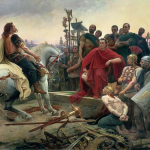
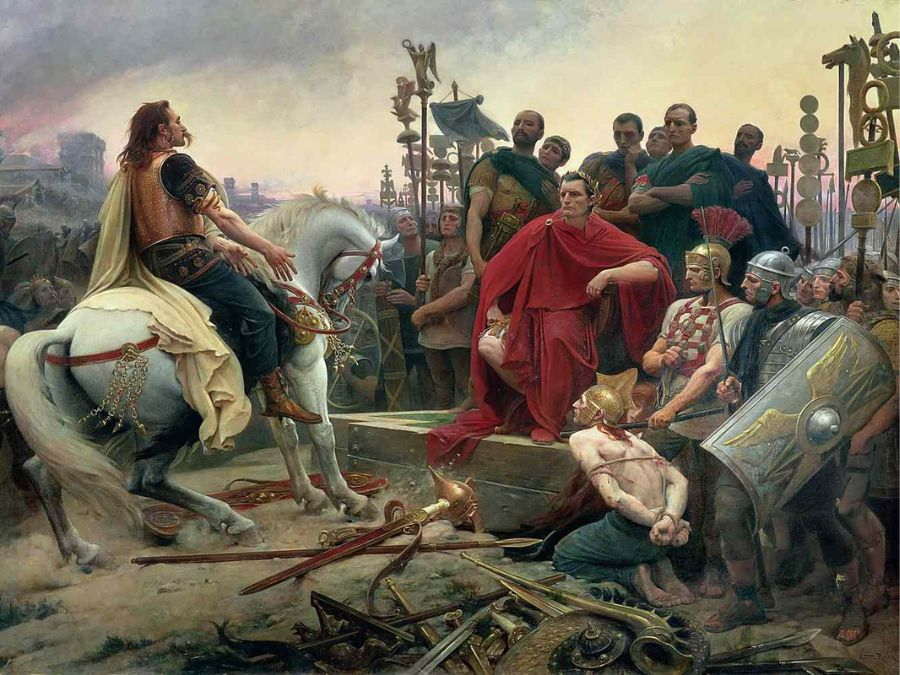
But Alesia wasn’t just about fighting; it was about what came after. Vercingetorix surrendered to save his people, and Rome absorbed Gaul, gaining land, wealth, and power. It’s striking how a few days on a hill could ripple through history. One observer remarked, “This battle changed Europe.” And in some ways, it did Caesar’s decisions that week shaped the next century.
Episode 3: The Battle of Alesia – The Most Incredible Battle in Roman History
Caesar himself is impossible to separate from the story. He anticipated, adapted, and pressed on, but you can also imagine him exhausted, frustrated, maybe even questioning a move or two. Every siege line, every hastily built tower, every cavalry charge speaks to a mind under pressure, a man who refused to stop thinking, even when everything around him seemed ready to collapse.
History fans keep returning to Alesia because it’s messy, human and alive. You can follow Caesar’s campaigns, read the letters, watch reenactments or just sit and try to picture the hill and the chaos yourself. Something about it sticks, maybe because one person’s stubbornness changed the course of a continent, or maybe because we like imagining ourselves in impossible situations.